Old Paint Disposal in San Francisco: Sort Cans Before Junk Pickup
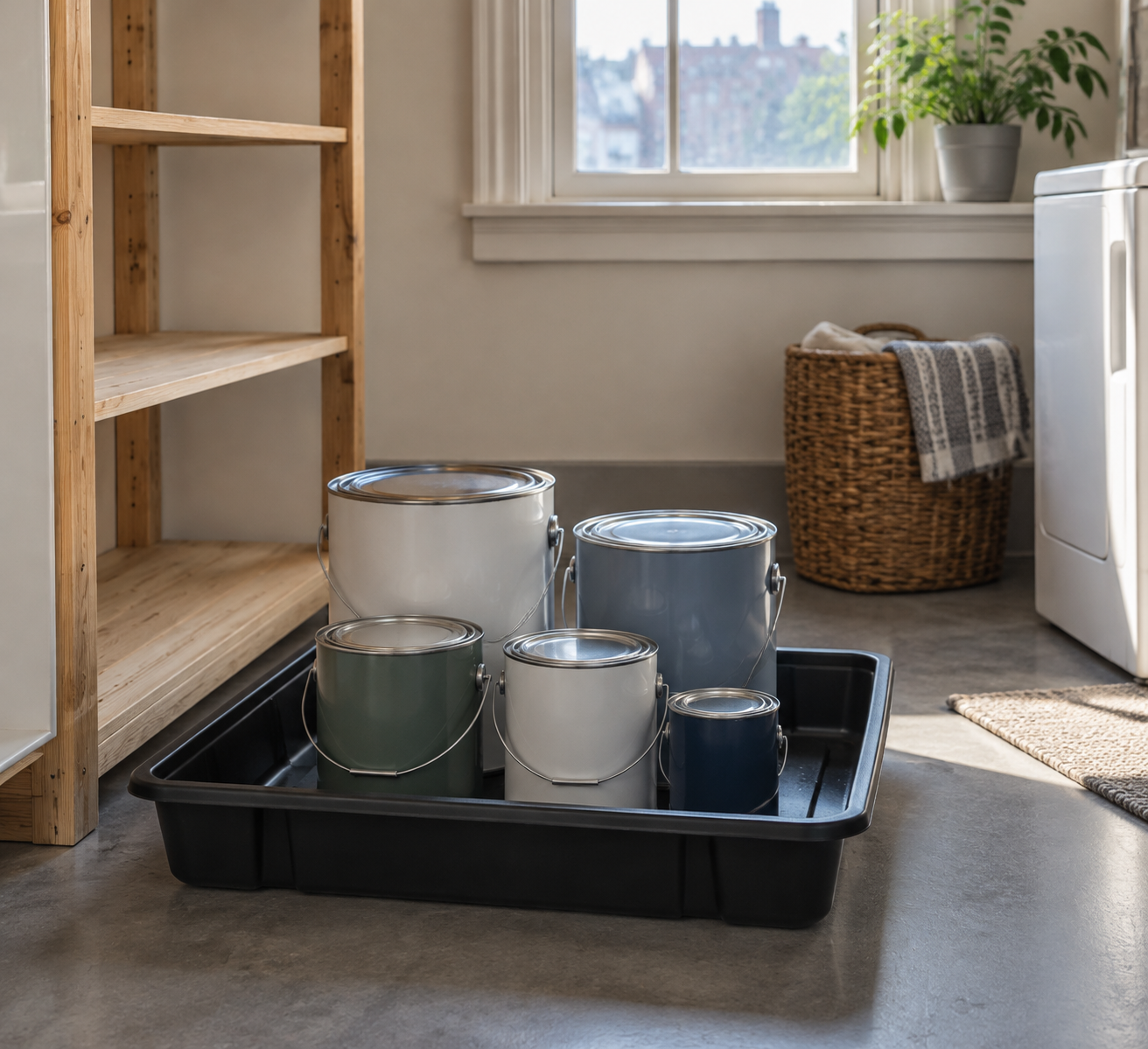
Leftover house paint in San Francisco needs a separate disposal route, not a place in your junk pile or regular collection bins. Use a participating paint collection retailer or the residential household hazardous waste
Leftover house paint in San Francisco needs a separate disposal route, not a place in your junk pile or regular collection bins. Use a participating paint collection retailer or the residential household hazardous waste program. Small paint cans that are empty and dry can go in the blue recycling bin, according toSF Environment’s house paint guidance. JYR Junk Removal does not accept hazardous waste, so arrange paint disposal separately before booking removal of ordinary household items.
This guide focuses on leftover paint discovered during a move, room refresh, or property cleanout. The useful first step is identifying what you have, then checking which official collection option accepts that material and quantity.
Separate paint from the items you want hauled
Before requesting a junk removal quote, make a separate inventory of paint containers. Record the product name visible on each label, container size, approximate amount remaining, and whether the container appears damaged. Do not open an unknown container just to identify its contents.
For a practical planning list, group your observations into these categories:
- House paint with a readable label.
- Small paint cans that are already empty and dry.
- Other painting products, including thinners, solvents, and spray paint.
- Containers with missing labels, damage, or leaks.
These categories help you ask specific questions rather than assuming every product on a painting shelf follows the same disposal route. SF Environment’sfacility directorylists house paint, solvents, and spray paint as distinct accepted items at the residential hazardous waste facility. Confirm instructions for your actual products before transporting them.
Option one: Check a participating paint retailer
For a modest amount of identifiable house paint, a participating retail collection location may be convenient. SF Environment’s house paint listing covers indoor and outdoor latex and oil based paints. It states a maximum of five gallons per day at retail collection locations and excludes business waste from that listing. Use theofficial house paint directoryto identify a location, then verify current acceptance before leaving home.
Ask whether the location can accept your product, container sizes, and total quantity that day. Mention damaged containers or unreadable labels rather than discovering a restriction at the counter. A listing is a starting point for planning, not a reservation or a guarantee of available storage capacity.
Keep the retail quantity limit separate from the facility limit discussed below. Do not assume that permission to bring a larger amount to a dedicated facility also applies to a neighborhood store.
Option two: Use the residential hazardous waste facility
Recology’s household hazardous waste facility is at 501 Tunnel Avenue in San Francisco. Its published residential collection hours are Thursday through Saturday, 8 AM to 4 PM. The hazardous waste operation has different hours from the general transfer station, even though they share a location. Check theofficial facility pagebefore planning your trip.
SF Environment lists these residential requirements:
- Bring proof of San Francisco residency, such as a driver’s license or utility bill.
- Observe the limit of 15 gallons or 125 pounds.
- Do not bring containers larger than five gallons.
- Keep hazardous products in their original containers.
- Never mix leftover products together.
If a container leaks, the city directs residents to place it inside a larger container. Review the fullhousehold hazardous waste requirementsand ask the program for instructions if a container cannot be handled safely. Do not combine several cans into one bucket to reduce your container count.
Option three: Ask about residential home collection
Recology publishes a free residential hazardous waste collection option for residents with more than one item. Residents must describe the types and amounts they want collected. Its guidance says someone must be home and hazardous waste containers cannot be left outside on the sidewalk. Unknown or unlabeled waste is not accepted through this pickup service. Check thecurrent collection requirementsbefore making arrangements.
Treat this as a separate appointment from ordinary junk removal. When planning both services, keep two lists: materials for the hazardous waste program and ordinary items for a hauling quote. That simple distinction helps prevent a paint can from being overlooked inside a cabinet or storage box.
Plan around November facility closures
If you are organizing a November cleanout, check the holiday calendar before loading your vehicle. Recology lists Thanksgiving and the Friday after Thanksgiving as closures for its household hazardous waste facility. Those dates are November 26 and November 27 in 2026. Thefacility schedulealso lists other holiday closures, so verify hours near your intended visit.
For a move with a fixed deadline, make the paint disposal inquiry early. Avoid leaving the decision until the day your remaining furniture must leave the property.
Keep residential and business disposal separate
A household disposal option should not be assumed to cover paint generated by a painting business or commercial operation. Recology describes a separate Very Small Quantity Generator program for qualifying San Francisco businesses, with appointments and program requirements. Consult itsbusiness hazardous waste guidancerather than presenting commercial materials as household waste.
This article’s residential facility instructions are specific to San Francisco. If the paint comes from another Bay Area city, verify that community’s program rather than assuming San Francisco residency requirements apply throughout the region.
Coordinate the remaining cleanout with JYR
Once you have identified a separate route for paint, prepare a clear list of the ordinary items you want removed. Note stairs, narrow doors, elevator restrictions, and anything that may affect access. Tell JYR that hazardous materials are excluded from the requested load.
ReviewJYR pricing informationand usethe booking pageto request removal of the remaining items. For broader preparation, see the relatedgarage cleanout checklist. Keep hazardous waste arrangements separate from the hauling request.
Frequently asked questions
Can leftover latex paint go in the trash?
No. SF Environment includes latex house paint in its special handling category and says not to put it in any bin. Use an approved collection option described in thehouse paint listing.
Can I recycle an empty paint can?
SF Environment says small paint cans that are empty and dry belong in the blue recycling bin. A can containing leftover liquid paint does not meet that description. Check thecity’s paint guidancebefore sorting.
What if the paint label is missing?
Do not guess at the contents. Recology says its home collection service cannot pick up unknown or unlabeled waste and asks residents to contact the program for advice. Follow itshazardous waste instructionsbefore making a trip.
Can I mix leftover colors into one container?
Keep products in their original containers instead. SF Environment explicitly warns against mixing leftover hazardous products because incompatible materials can react. See itssafe disposal requirements.
Will JYR take paint along with my furniture?
No. JYR does not accept hazardous waste. Arrange paint collection through an appropriate official program, then request a separate quote for your ordinary household items.
Need junk gone in San Francisco?
Same-day pickup, upfront pricing, eco-friendly disposal. Free quote in 60 seconds.